Buy bereitschaft.eu ?
We are moving the project
bereitschaft.eu .
Are you interested in purchasing the domain
bereitschaft.eu ?
domain@kv-gmbh.de · 0541-91531010
Buy bereitschaft.eu ?
Is the term "Tut" Hessian?
No, the term "Tut" is not Hessian. "Tut" is actually an informal British English term used to express disapproval or annoyance. It is often used to indicate impatience or frustration with someone or something. The term has no direct connection to Hessian culture or language. **
What does the word "tut" mean?
The word "tut" is an informal expression used to show disapproval, annoyance, or impatience. It is often used to express mild frustration or disappointment in response to someone's actions or words. It can also be used to indicate disapproval or to urge someone to stop what they are doing. **


Similar search terms for Tut
Top-Angebote
Products related to Tut:
-
BOB Books Water Workbook: Reading Readiness Complete SetBring Bob Books characters to life and extend the learning from the beloved Bob Books series! Children have on-the-go fun while developing critical prereading and fine motor skills. Use the soft-tip water pen to fill the pages with color, watch them...34,97 $*Shipping: 0,00 $Secure redirect to the provider
-
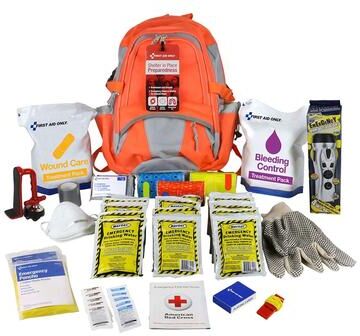
Shelter In Place Emergency Preparedness Backpack by First Aid Only""" The Complete Shelter in Place Emergency Preparedness Backpack A uniquely designed Shelter-in-Place Preparedness backpack to protect, sustain, and treat injuries for up to twenty persons during a potentially dangerous situation outside. Be prepared..."286,75 $*Shipping: 0,00 $Secure redirect to the provider
-
Combo Retail Shop Multi Functional Braided Bracelet, Strand Outdoor Survival Wrist Cord Bracelet, Emergency Preparedness Gear khakiIntroducing the MultiFunctional Braided Bracelet, the ultimate 7Strand Outdoor Survival Wrist Cord designed to be your reliable companion in any emergency or outdoor adventure. Whether you're hiking, camping, or simply looking to be prepared for any...29,97 $*Shipping: 0,00 $Secure redirect to the provider
-
Combo Retail Shop Multi Functional Braided Bracelet, Strand Outdoor Survival Wrist Cord Bracelet, Emergency Preparedness Gear blackIntroducing the MultiFunctional Braided Bracelet, the ultimate 7Strand Outdoor Survival Wrist Cord designed to be your reliable companion in any emergency or outdoor adventure. Whether you're hiking, camping, or simply looking to be prepared for any...29,97 $*Shipping: 0,00 $Secure redirect to the provider



-
What hurts after the "Tut Weh 2"?
After the "Tut Weh 2," the pain is usually felt in the muscles that were targeted during the workout, such as the legs, glutes, and core. Additionally, some people may experience soreness in their arms and shoulders if they were engaged in upper body exercises. The intensity of the pain can vary depending on individual fitness levels and the amount of effort exerted during the workout. It is common to feel soreness and discomfort in the targeted muscle groups for a day or two after the workout, but this should subside as the muscles recover and adapt to the exercise. **
-
Why do we say "tut" instead of "macht"?
We say "tut" instead of "macht" because "tut" is the correct conjugation of the verb "tun" in the third person singular form (er/sie/es tut) in German. "Macht" is the conjugation for the second person singular (du machst) or the third person plural (sie machen). Therefore, when referring to someone doing something in the third person singular, we use "tut" instead of "macht." **
-
What does "Was tut man nicht alles?" mean?
"Was tut man nicht alles?" is a German phrase that can be translated to "What doesn't one do?" or "What one wouldn't do?" It is often used to express surprise or disbelief at the lengths someone is willing to go to in order to achieve something. It can also be used to convey a sense of admiration or astonishment at the efforts or sacrifices someone is making. **
-
Why do we not say "tut" instead of "macht"?
The word "macht" is used in German instead of "tut" because "macht" specifically means "do" or "make" in English, while "tut" means "does" or "makes." Therefore, "macht" is the correct form to use when asking someone to do something in German. Additionally, "macht" is the imperative form of the verb "machen," which is commonly used in commands or requests. **


What do you understand by the statement "Dummheit tut weh"?
The statement "Dummheit tut weh" is a German phrase that translates to "stupidity hurts" in English. It conveys the idea that making foolish or unwise decisions can lead to negative consequences or pain. It emphasizes the importance of using one's intelligence and making informed choices to avoid unnecessary suffering. In essence, it serves as a reminder to think before acting and to avoid making foolish mistakes. **
What is the difference between "Entschuldigung" and "Es tut mir leid"?
"Entschuldigung" is the German word for "excuse me" or "I'm sorry" and is used to apologize for minor inconveniences or to get someone's attention. On the other hand, "Es tut mir leid" also means "I'm sorry" but is used to express deeper regret or to apologize for more serious matters. "Es tut mir leid" is a more formal and sincere way of apologizing compared to "Entschuldigung." **
Top-Angebote
Products related to Tut:
-
Essie Moonlight Ballet nail polish shade 1020 Twisted Tut 13.5 mlessie Moonlight Ballet, 13.5 ml, Nail Varnishes for Women, A gorgeous manicure as though you’d just left the nail salon? The essie Moonlight Ballet nail polish lets you achieve it in the comfort of your own home. It coats the surface of the nail with a continuous layer of long-lasting, intense colour with a glossy finish, helping to give your nails a manicured, perfectly groomed look. You can use it to accentuate your nails or perhaps to enhance your outfit and style. So which colour will you choose to make your nails pop? Characteristics: bright, rich colour ensures a high gloss easy to apply long-lasting strengthens and firms the nails How to use: Apply the polish using a brush for polish-free, degreased nails. For best results, apply two layers.8,84 £*Shipping: 3,99 £Secure redirect to the provider
-
Scholastic School Readiness KitScholastic and the Valley of the Sun United Way have partnered together to facilitate powerful school-to-home connections. Introducing School Readiness Kits - designed to help students be successful in kindergarten and throughout their...45,32 $*Shipping: 0,00 $Secure redirect to the provider
-
BOB Books Water Workbook: Reading Readiness Complete SetBring Bob Books characters to life and extend the learning from the beloved Bob Books series! Children have on-the-go fun while developing critical prereading and fine motor skills. Use the soft-tip water pen to fill the pages with color, watch them...34,97 $*Shipping: 0,00 $Secure redirect to the provider
-
Shelter In Place Emergency Preparedness Backpack by First Aid Only""" The Complete Shelter in Place Emergency Preparedness Backpack A uniquely designed Shelter-in-Place Preparedness backpack to protect, sustain, and treat injuries for up to twenty persons during a potentially dangerous situation outside. Be prepared..."286,75 $*Shipping: 0,00 $Secure redirect to the provider
-
Is the term "Tut" Hessian?
No, the term "Tut" is not Hessian. "Tut" is actually an informal British English term used to express disapproval or annoyance. It is often used to indicate impatience or frustration with someone or something. The term has no direct connection to Hessian culture or language. **
-
What does the word "tut" mean?
The word "tut" is an informal expression used to show disapproval, annoyance, or impatience. It is often used to express mild frustration or disappointment in response to someone's actions or words. It can also be used to indicate disapproval or to urge someone to stop what they are doing. **
-
What hurts after the "Tut Weh 2"?
After the "Tut Weh 2," the pain is usually felt in the muscles that were targeted during the workout, such as the legs, glutes, and core. Additionally, some people may experience soreness in their arms and shoulders if they were engaged in upper body exercises. The intensity of the pain can vary depending on individual fitness levels and the amount of effort exerted during the workout. It is common to feel soreness and discomfort in the targeted muscle groups for a day or two after the workout, but this should subside as the muscles recover and adapt to the exercise. **
-
Why do we say "tut" instead of "macht"?
We say "tut" instead of "macht" because "tut" is the correct conjugation of the verb "tun" in the third person singular form (er/sie/es tut) in German. "Macht" is the conjugation for the second person singular (du machst) or the third person plural (sie machen). Therefore, when referring to someone doing something in the third person singular, we use "tut" instead of "macht." **
Similar search terms for Tut
-
Combo Retail Shop Multi Functional Braided Bracelet, Strand Outdoor Survival Wrist Cord Bracelet, Emergency Preparedness Gear khakiIntroducing the MultiFunctional Braided Bracelet, the ultimate 7Strand Outdoor Survival Wrist Cord designed to be your reliable companion in any emergency or outdoor adventure. Whether you're hiking, camping, or simply looking to be prepared for any...29,97 $*Shipping: 0,00 $Secure redirect to the provider
-
Combo Retail Shop Multi Functional Braided Bracelet, Strand Outdoor Survival Wrist Cord Bracelet, Emergency Preparedness Gear blackIntroducing the MultiFunctional Braided Bracelet, the ultimate 7Strand Outdoor Survival Wrist Cord designed to be your reliable companion in any emergency or outdoor adventure. Whether you're hiking, camping, or simply looking to be prepared for any...29,97 $*Shipping: 0,00 $Secure redirect to the provider
-
Combo Retail Shop Multi Functional Braided Bracelet, Strand Outdoor Survival Wrist Cord Bracelet, Emergency Preparedness Gear greenIntroducing the MultiFunctional Braided Bracelet, the ultimate 7Strand Outdoor Survival Wrist Cord designed to be your reliable companion in any emergency or outdoor adventure. Whether you're hiking, camping, or simply looking to be prepared for any...29,97 $*Shipping: 0,00 $Secure redirect to the provider
-
Combo Retail Shop Multi Functional Braided Bracelet, Strand Outdoor Survival Wrist Cord Bracelet, Emergency Preparedness Gear orange BlackIntroducing the MultiFunctional Braided Bracelet, the ultimate 7Strand Outdoor Survival Wrist Cord designed to be your reliable companion in any emergency or outdoor adventure. Whether you're hiking, camping, or simply looking to be prepared for any...29,97 $*Shipping: 0,00 $Secure redirect to the provider
-
What does "Was tut man nicht alles?" mean?
"Was tut man nicht alles?" is a German phrase that can be translated to "What doesn't one do?" or "What one wouldn't do?" It is often used to express surprise or disbelief at the lengths someone is willing to go to in order to achieve something. It can also be used to convey a sense of admiration or astonishment at the efforts or sacrifices someone is making. **
-
Why do we not say "tut" instead of "macht"?
The word "macht" is used in German instead of "tut" because "macht" specifically means "do" or "make" in English, while "tut" means "does" or "makes." Therefore, "macht" is the correct form to use when asking someone to do something in German. Additionally, "macht" is the imperative form of the verb "machen," which is commonly used in commands or requests. **
-
What do you understand by the statement "Dummheit tut weh"?
The statement "Dummheit tut weh" is a German phrase that translates to "stupidity hurts" in English. It conveys the idea that making foolish or unwise decisions can lead to negative consequences or pain. It emphasizes the importance of using one's intelligence and making informed choices to avoid unnecessary suffering. In essence, it serves as a reminder to think before acting and to avoid making foolish mistakes. **
-
What is the difference between "Entschuldigung" and "Es tut mir leid"?
"Entschuldigung" is the German word for "excuse me" or "I'm sorry" and is used to apologize for minor inconveniences or to get someone's attention. On the other hand, "Es tut mir leid" also means "I'm sorry" but is used to express deeper regret or to apologize for more serious matters. "Es tut mir leid" is a more formal and sincere way of apologizing compared to "Entschuldigung." **
* All prices are inclusive of VAT and, if applicable, plus shipping costs. The offer information is based on the details provided by the respective shop and is updated through automated processes. Real-time updates do not occur, so deviations can occur in individual cases. ** Note: Parts of this content were created by AI.