Buy bereitschaft.eu ?
We are moving the project
bereitschaft.eu .
Are you interested in purchasing the domain
bereitschaft.eu ?
domain@kv-gmbh.de · 0541-91531010
Buy bereitschaft.eu ?
Are ladybugs omnivores?
Ladybugs are not omnivores. They are actually considered to be carnivores, as they primarily feed on aphids and other small insects. Ladybugs are beneficial insects in the garden as they help control pest populations. **
Can ladybugs swim?
Yes, ladybugs can swim. They have the ability to float on water and use their legs to paddle and move around. However, they are not strong swimmers and may struggle to stay afloat for long periods of time. If they fall into water, they will try to find a way to climb out or be rescued. **
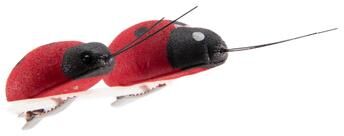

Similar search terms for Ladybugs
Top-Angebote
Products related to Ladybugs:
-
Uplift Curations Set Of 4 Metal Garden Wall Art Ladybugs Outdoor Decorative Wall Sculptures blueBring whimsy and charm to your outdoor spaces with this metal garden wall art set featuring adorable ladybug designs. These weatherresistant pieces add color and personality to patios, fences, and garden walls, creating a cheerful focal point....48,00 $*Shipping: 0,00 $Secure redirect to the provider
-
Scholastic School Readiness KitScholastic and the Valley of the Sun United Way have partnered together to facilitate powerful school-to-home connections. Introducing School Readiness Kits - designed to help students be successful in kindergarten and throughout their...45,32 $*Shipping: 0,00 $Secure redirect to the provider
-
BOB Books Water Workbook: Reading Readiness Complete SetBring Bob Books characters to life and extend the learning from the beloved Bob Books series! Children have on-the-go fun while developing critical prereading and fine motor skills. Use the soft-tip water pen to fill the pages with color, watch them...34,97 $*Shipping: 0,00 $Secure redirect to the provider
-
Shelter In Place Emergency Preparedness Backpack by First Aid Only""" The Complete Shelter in Place Emergency Preparedness Backpack A uniquely designed Shelter-in-Place Preparedness backpack to protect, sustain, and treat injuries for up to twenty persons during a potentially dangerous situation outside. Be prepared..."286,75 $*Shipping: 0,00 $Secure redirect to the provider



-
Which plants attract ladybugs?
Ladybugs are attracted to plants that produce pollen and nectar, such as dill, fennel, cilantro, and yarrow. These plants provide a food source for adult ladybugs, while also attracting aphids and other small insects that ladybugs feed on. Additionally, plants with small, clustered flowers like marigolds, sunflowers, and daisies are also known to attract ladybugs. Creating a diverse garden with a variety of these plants can help attract and support a healthy population of ladybugs. **
-
How do ladybugs fade?
Ladybugs fade due to a process called melanism, where the dark pigmentation in their exoskeleton breaks down over time. This can be caused by exposure to sunlight, environmental factors, or simply as part of the natural aging process. As the melanin fades, the red and black colors of the ladybug become less vibrant, giving them a more washed-out appearance. This fading is a normal part of the ladybug's life cycle and does not typically affect their health or behavior. **
-
What do ladybugs eat?
Ladybugs primarily eat aphids, which are small insects that feed on plants. They also consume other soft-bodied insects such as mites and scale insects. Ladybugs are considered beneficial insects in agriculture and gardening because they help control pest populations by feeding on these harmful insects. Additionally, ladybugs may also consume pollen and nectar as a supplementary food source. **
-
Can ladybugs bite humans?
Yes, ladybugs can bite humans, but it is very rare and their bites are not harmful. Ladybugs have small mandibles that they use to chew on plants and other insects, and they may occasionally use them to bite humans if they feel threatened. However, their bites are usually just a minor annoyance and do not cause any serious harm. **


How do I overwinter ladybugs?
To overwinter ladybugs, you can create a suitable habitat for them by providing a sheltered location such as a shed, garage, or even a small box with ventilation holes. Fill the habitat with materials like leaves, twigs, and bark for the ladybugs to hide in. Make sure to keep the habitat cool but above freezing temperatures, as ladybugs go into a state of dormancy during the winter months. Additionally, you can provide a food source such as raisins or a sugar-water solution for the ladybugs to feed on during the winter. **
How can you hibernate ladybugs?
To hibernate ladybugs, you can create a suitable environment for them to survive the winter. Ladybugs typically hibernate in large groups, so providing a sheltered location with plenty of insulation is key. This can include placing them in a ventilated container with dry leaves or wood shavings for them to burrow into. It's important to keep the hibernation area cool but above freezing temperatures to ensure their survival until they become active again in the spring. **
Top-Angebote
Products related to Ladybugs:
-
Liora Manne Lush Decor Frontporch Ladybugs Indoor/Outdoor RugAdd some good luck to your home with these 3 lucky ladybugs on a beautiful white garden flower, in green. Hand hooked of weather-resistant fiber, this collection is a blend of comfort, softness and durability.59,93 $*Shipping: 0,00 $Secure redirect to the provider
-
Uplift Curations Set Of 4 Metal Garden Wall Art Ladybugs Outdoor Decorative Wall Sculptures blueBring whimsy and charm to your outdoor spaces with this metal garden wall art set featuring adorable ladybug designs. These weatherresistant pieces add color and personality to patios, fences, and garden walls, creating a cheerful focal point....48,00 $*Shipping: 0,00 $Secure redirect to the provider
-
Scholastic School Readiness KitScholastic and the Valley of the Sun United Way have partnered together to facilitate powerful school-to-home connections. Introducing School Readiness Kits - designed to help students be successful in kindergarten and throughout their...45,32 $*Shipping: 0,00 $Secure redirect to the provider
-
Are ladybugs omnivores?
Ladybugs are not omnivores. They are actually considered to be carnivores, as they primarily feed on aphids and other small insects. Ladybugs are beneficial insects in the garden as they help control pest populations. **
-
Can ladybugs swim?
Yes, ladybugs can swim. They have the ability to float on water and use their legs to paddle and move around. However, they are not strong swimmers and may struggle to stay afloat for long periods of time. If they fall into water, they will try to find a way to climb out or be rescued. **
-
Which plants attract ladybugs?
Ladybugs are attracted to plants that produce pollen and nectar, such as dill, fennel, cilantro, and yarrow. These plants provide a food source for adult ladybugs, while also attracting aphids and other small insects that ladybugs feed on. Additionally, plants with small, clustered flowers like marigolds, sunflowers, and daisies are also known to attract ladybugs. Creating a diverse garden with a variety of these plants can help attract and support a healthy population of ladybugs. **
-
How do ladybugs fade?
Ladybugs fade due to a process called melanism, where the dark pigmentation in their exoskeleton breaks down over time. This can be caused by exposure to sunlight, environmental factors, or simply as part of the natural aging process. As the melanin fades, the red and black colors of the ladybug become less vibrant, giving them a more washed-out appearance. This fading is a normal part of the ladybug's life cycle and does not typically affect their health or behavior. **
Similar search terms for Ladybugs
-
BOB Books Water Workbook: Reading Readiness Complete SetBring Bob Books characters to life and extend the learning from the beloved Bob Books series! Children have on-the-go fun while developing critical prereading and fine motor skills. Use the soft-tip water pen to fill the pages with color, watch them...34,97 $*Shipping: 0,00 $Secure redirect to the provider
-
Shelter In Place Emergency Preparedness Backpack by First Aid Only""" The Complete Shelter in Place Emergency Preparedness Backpack A uniquely designed Shelter-in-Place Preparedness backpack to protect, sustain, and treat injuries for up to twenty persons during a potentially dangerous situation outside. Be prepared..."286,75 $*Shipping: 0,00 $Secure redirect to the provider
-
Combo Retail Shop Multi Functional Braided Bracelet, Strand Outdoor Survival Wrist Cord Bracelet, Emergency Preparedness Gear blackIntroducing the MultiFunctional Braided Bracelet, the ultimate 7Strand Outdoor Survival Wrist Cord designed to be your reliable companion in any emergency or outdoor adventure. Whether you're hiking, camping, or simply looking to be prepared for any...29,97 $*Shipping: 0,00 $Secure redirect to the provider
-
Uplift Curations Set Of 4 Metal Garden Wall Art Ladybugs Outdoor Decorative Wall Sculptures redBring whimsy and charm to your outdoor spaces with this metal garden wall art set featuring adorable ladybug designs. These weatherresistant pieces add color and personality to patios, fences, and garden walls, creating a cheerful focal point....48,00 $*Shipping: 0,00 $Secure redirect to the provider
-
What do ladybugs eat?
Ladybugs primarily eat aphids, which are small insects that feed on plants. They also consume other soft-bodied insects such as mites and scale insects. Ladybugs are considered beneficial insects in agriculture and gardening because they help control pest populations by feeding on these harmful insects. Additionally, ladybugs may also consume pollen and nectar as a supplementary food source. **
-
Can ladybugs bite humans?
Yes, ladybugs can bite humans, but it is very rare and their bites are not harmful. Ladybugs have small mandibles that they use to chew on plants and other insects, and they may occasionally use them to bite humans if they feel threatened. However, their bites are usually just a minor annoyance and do not cause any serious harm. **
-
How do I overwinter ladybugs?
To overwinter ladybugs, you can create a suitable habitat for them by providing a sheltered location such as a shed, garage, or even a small box with ventilation holes. Fill the habitat with materials like leaves, twigs, and bark for the ladybugs to hide in. Make sure to keep the habitat cool but above freezing temperatures, as ladybugs go into a state of dormancy during the winter months. Additionally, you can provide a food source such as raisins or a sugar-water solution for the ladybugs to feed on during the winter. **
-
How can you hibernate ladybugs?
To hibernate ladybugs, you can create a suitable environment for them to survive the winter. Ladybugs typically hibernate in large groups, so providing a sheltered location with plenty of insulation is key. This can include placing them in a ventilated container with dry leaves or wood shavings for them to burrow into. It's important to keep the hibernation area cool but above freezing temperatures to ensure their survival until they become active again in the spring. **
* All prices are inclusive of VAT and, if applicable, plus shipping costs. The offer information is based on the details provided by the respective shop and is updated through automated processes. Real-time updates do not occur, so deviations can occur in individual cases. ** Note: Parts of this content were created by AI.