Buy bereitschaft.eu ?
We are moving the project
bereitschaft.eu .
Are you interested in purchasing the domain
bereitschaft.eu ?
domain@kv-gmbh.de · 0541-91531010
Buy bereitschaft.eu ?
How long does a shock chlorination last?
Shock chlorination typically lasts for about 24-48 hours. During this time, the chlorine works to disinfect the water and kill any bacteria or algae present. After the shock chlorination process, it is important to test the water to ensure that the chlorine levels have returned to a safe and acceptable range for use. **
How is the chlorination of ethane carried out?
The chlorination of ethane is carried out by reacting ethane with chlorine gas in the presence of ultraviolet light or heat. This reaction results in the substitution of one or more hydrogen atoms in ethane with chlorine atoms, forming chloroethane and other chlorinated products. The reaction is typically carried out in the gas phase or in the presence of a solvent such as carbon tetrachloride. The process is important for the production of various chlorinated compounds used in the chemical industry. **


Similar search terms for Chlorination
Top-Angebote
Products related to Chlorination:
-
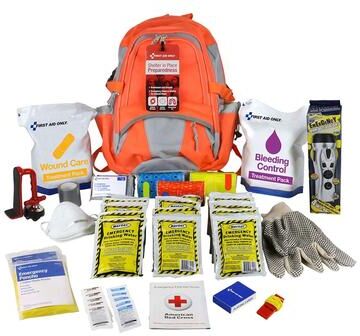
Shelter In Place Emergency Preparedness Backpack by First Aid Only""" The Complete Shelter in Place Emergency Preparedness Backpack A uniquely designed Shelter-in-Place Preparedness backpack to protect, sustain, and treat injuries for up to twenty persons during a potentially dangerous situation outside. Be prepared..."286,75 $*Shipping: 0,00 $Secure redirect to the provider
-
Combo Retail Shop Multi Functional Braided Bracelet, Strand Outdoor Survival Wrist Cord Bracelet, Emergency Preparedness Gear khakiIntroducing the MultiFunctional Braided Bracelet, the ultimate 7Strand Outdoor Survival Wrist Cord designed to be your reliable companion in any emergency or outdoor adventure. Whether you're hiking, camping, or simply looking to be prepared for any...29,97 $*Shipping: 0,00 $Secure redirect to the provider
-
Combo Retail Shop Multi Functional Braided Bracelet, Strand Outdoor Survival Wrist Cord Bracelet, Emergency Preparedness Gear blackIntroducing the MultiFunctional Braided Bracelet, the ultimate 7Strand Outdoor Survival Wrist Cord designed to be your reliable companion in any emergency or outdoor adventure. Whether you're hiking, camping, or simply looking to be prepared for any...29,97 $*Shipping: 0,00 $Secure redirect to the provider
-
Combo Retail Shop Multi Functional Braided Bracelet, Strand Outdoor Survival Wrist Cord Bracelet, Emergency Preparedness Gear greenIntroducing the MultiFunctional Braided Bracelet, the ultimate 7Strand Outdoor Survival Wrist Cord designed to be your reliable companion in any emergency or outdoor adventure. Whether you're hiking, camping, or simply looking to be prepared for any...29,97 $*Shipping: 0,00 $Secure redirect to the provider


-
Can you help me with the pool chlorination?
Yes, I can help you with pool chlorination. I can provide guidance on how to properly chlorinate your pool, including the recommended chlorine levels, different types of chlorine products, and how to safely handle and store them. I can also offer tips on maintaining the right balance of chlorine in your pool to keep it clean and safe for swimming. If you have specific questions or concerns about pool chlorination, feel free to ask and I'll be happy to assist you. **
-
Is the chlorine level too high after shock chlorination?
After shock chlorination, it is common for the chlorine level to be higher than normal. This is because shock chlorination involves adding a large amount of chlorine to quickly disinfect the water system. However, if the chlorine level remains too high for an extended period of time, it can be harmful to human health and may indicate that the water needs to be flushed or treated further. It is important to test the water regularly to ensure that the chlorine level is within safe limits. **
-
Should one not be in the room after chlorination?
It is generally recommended to avoid being in the room after chlorination, especially in enclosed spaces with poor ventilation. Chlorine gas can be harmful if inhaled in high concentrations, causing irritation to the respiratory system and potentially leading to more serious health issues. It is best to wait until the chlorinated area has been properly ventilated and the chlorine levels have dissipated before re-entering the room to ensure safety. **
-
How do I perform a shock chlorination in my garden pond?
To perform shock chlorination in your garden pond, you will first need to calculate the volume of water in your pond. Next, you will need to dilute chlorine bleach in a bucket of water before evenly distributing it around the pond. It is important to turn off any pumps or filters during this process to allow the chlorine to circulate effectively. After adding the chlorine, wait 24-48 hours before turning the pumps and filters back on and conducting a water test to ensure the chlorine levels have returned to normal. **

How is the chlorination of 1,2-dichlorobuta-1,3-diene carried out?
The chlorination of 1,2-dichlorobuta-1,3-diene is typically carried out by reacting the compound with a chlorine source, such as chlorine gas or a chlorine-containing compound like N-chlorosuccinimide (NCS), in the presence of a suitable solvent like dichloromethane or carbon tetrachloride. The reaction is usually conducted at room temperature or slightly elevated temperatures under inert atmosphere conditions to prevent unwanted side reactions. The chlorination reaction results in the replacement of hydrogen atoms on the carbon atoms of the double bond with chlorine atoms, leading to the formation of the desired chlorinated product. **
How do I perform a shock chlorination in a garden pond?
To perform shock chlorination in a garden pond, you will first need to calculate the volume of water in the pond. Next, you will need to dilute chlorine bleach in a bucket of water before evenly distributing it across the pond surface. Allow the chlorine to circulate for 24 hours, then test the water to ensure the chlorine levels are safe for fish and plants. It is important to follow safety precautions and carefully monitor chlorine levels to avoid harming the pond ecosystem. **
Top-Angebote
Products related to Chlorination:
-
Scholastic School Readiness KitScholastic and the Valley of the Sun United Way have partnered together to facilitate powerful school-to-home connections. Introducing School Readiness Kits - designed to help students be successful in kindergarten and throughout their...45,32 $*Shipping: 0,00 $Secure redirect to the provider
-
BOB Books Water Workbook: Reading Readiness Complete SetBring Bob Books characters to life and extend the learning from the beloved Bob Books series! Children have on-the-go fun while developing critical prereading and fine motor skills. Use the soft-tip water pen to fill the pages with color, watch them...34,97 $*Shipping: 0,00 $Secure redirect to the provider
-
Shelter In Place Emergency Preparedness Backpack by First Aid Only""" The Complete Shelter in Place Emergency Preparedness Backpack A uniquely designed Shelter-in-Place Preparedness backpack to protect, sustain, and treat injuries for up to twenty persons during a potentially dangerous situation outside. Be prepared..."286,75 $*Shipping: 0,00 $Secure redirect to the provider
-
Combo Retail Shop Multi Functional Braided Bracelet, Strand Outdoor Survival Wrist Cord Bracelet, Emergency Preparedness Gear khakiIntroducing the MultiFunctional Braided Bracelet, the ultimate 7Strand Outdoor Survival Wrist Cord designed to be your reliable companion in any emergency or outdoor adventure. Whether you're hiking, camping, or simply looking to be prepared for any...29,97 $*Shipping: 0,00 $Secure redirect to the provider
-
How long does a shock chlorination last?
Shock chlorination typically lasts for about 24-48 hours. During this time, the chlorine works to disinfect the water and kill any bacteria or algae present. After the shock chlorination process, it is important to test the water to ensure that the chlorine levels have returned to a safe and acceptable range for use. **
-
How is the chlorination of ethane carried out?
The chlorination of ethane is carried out by reacting ethane with chlorine gas in the presence of ultraviolet light or heat. This reaction results in the substitution of one or more hydrogen atoms in ethane with chlorine atoms, forming chloroethane and other chlorinated products. The reaction is typically carried out in the gas phase or in the presence of a solvent such as carbon tetrachloride. The process is important for the production of various chlorinated compounds used in the chemical industry. **
-
Can you help me with the pool chlorination?
Yes, I can help you with pool chlorination. I can provide guidance on how to properly chlorinate your pool, including the recommended chlorine levels, different types of chlorine products, and how to safely handle and store them. I can also offer tips on maintaining the right balance of chlorine in your pool to keep it clean and safe for swimming. If you have specific questions or concerns about pool chlorination, feel free to ask and I'll be happy to assist you. **
-
Is the chlorine level too high after shock chlorination?
After shock chlorination, it is common for the chlorine level to be higher than normal. This is because shock chlorination involves adding a large amount of chlorine to quickly disinfect the water system. However, if the chlorine level remains too high for an extended period of time, it can be harmful to human health and may indicate that the water needs to be flushed or treated further. It is important to test the water regularly to ensure that the chlorine level is within safe limits. **
Similar search terms for Chlorination
-
Combo Retail Shop Multi Functional Braided Bracelet, Strand Outdoor Survival Wrist Cord Bracelet, Emergency Preparedness Gear blackIntroducing the MultiFunctional Braided Bracelet, the ultimate 7Strand Outdoor Survival Wrist Cord designed to be your reliable companion in any emergency or outdoor adventure. Whether you're hiking, camping, or simply looking to be prepared for any...29,97 $*Shipping: 0,00 $Secure redirect to the provider
-
Combo Retail Shop Multi Functional Braided Bracelet, Strand Outdoor Survival Wrist Cord Bracelet, Emergency Preparedness Gear greenIntroducing the MultiFunctional Braided Bracelet, the ultimate 7Strand Outdoor Survival Wrist Cord designed to be your reliable companion in any emergency or outdoor adventure. Whether you're hiking, camping, or simply looking to be prepared for any...29,97 $*Shipping: 0,00 $Secure redirect to the provider
-
Combo Retail Shop Multi Functional Braided Bracelet, Strand Outdoor Survival Wrist Cord Bracelet, Emergency Preparedness Gear orange BlackIntroducing the MultiFunctional Braided Bracelet, the ultimate 7Strand Outdoor Survival Wrist Cord designed to be your reliable companion in any emergency or outdoor adventure. Whether you're hiking, camping, or simply looking to be prepared for any...29,97 $*Shipping: 0,00 $Secure redirect to the provider
-
Should one not be in the room after chlorination?
It is generally recommended to avoid being in the room after chlorination, especially in enclosed spaces with poor ventilation. Chlorine gas can be harmful if inhaled in high concentrations, causing irritation to the respiratory system and potentially leading to more serious health issues. It is best to wait until the chlorinated area has been properly ventilated and the chlorine levels have dissipated before re-entering the room to ensure safety. **
-
How do I perform a shock chlorination in my garden pond?
To perform shock chlorination in your garden pond, you will first need to calculate the volume of water in your pond. Next, you will need to dilute chlorine bleach in a bucket of water before evenly distributing it around the pond. It is important to turn off any pumps or filters during this process to allow the chlorine to circulate effectively. After adding the chlorine, wait 24-48 hours before turning the pumps and filters back on and conducting a water test to ensure the chlorine levels have returned to normal. **
-
How is the chlorination of 1,2-dichlorobuta-1,3-diene carried out?
The chlorination of 1,2-dichlorobuta-1,3-diene is typically carried out by reacting the compound with a chlorine source, such as chlorine gas or a chlorine-containing compound like N-chlorosuccinimide (NCS), in the presence of a suitable solvent like dichloromethane or carbon tetrachloride. The reaction is usually conducted at room temperature or slightly elevated temperatures under inert atmosphere conditions to prevent unwanted side reactions. The chlorination reaction results in the replacement of hydrogen atoms on the carbon atoms of the double bond with chlorine atoms, leading to the formation of the desired chlorinated product. **
-
How do I perform a shock chlorination in a garden pond?
To perform shock chlorination in a garden pond, you will first need to calculate the volume of water in the pond. Next, you will need to dilute chlorine bleach in a bucket of water before evenly distributing it across the pond surface. Allow the chlorine to circulate for 24 hours, then test the water to ensure the chlorine levels are safe for fish and plants. It is important to follow safety precautions and carefully monitor chlorine levels to avoid harming the pond ecosystem. **
* All prices are inclusive of VAT and, if applicable, plus shipping costs. The offer information is based on the details provided by the respective shop and is updated through automated processes. Real-time updates do not occur, so deviations can occur in individual cases. ** Note: Parts of this content were created by AI.